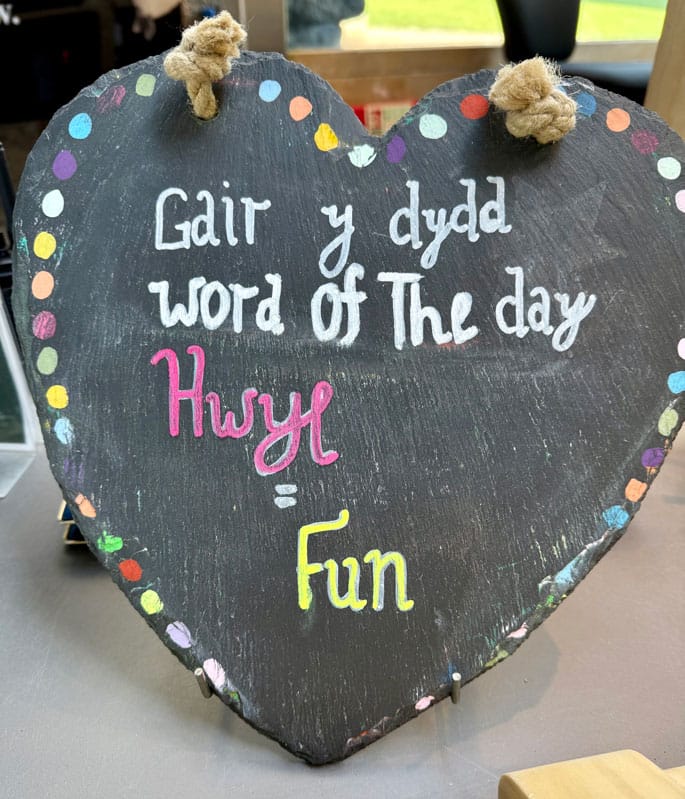
The Welsh have a word for the rush of happiness that comes from being in a perfectly delightful moment: hwyl.
It’s pronounced something like “h-oil.” You’ll be forgiven for missing the nuances of the Welsh language, which is big on consonants. Although almost everyone in Wales speaks English, preserving Welsh – the language spoken by about 30 per cent of the country’s 3.2 million people – is a point of pride for the resilient inhabitants of this country on Britain’s west coast. In areas like the walled town of Caernarfon, home to a UNESCO World Heritage Site medieval castle, about 80 per cent of people speak Welsh as their first language.
I also learned the word cwtch (kw-itch), which means to be cozily snuggled down. As a first-time visitor to Wales, I found cwtch and hwyl in abundance.
Known for its hospitality, Wales is roughly the same size as Nova Scotia. Its rich Celtic culture and long history, which includes standing firm against English occupation, is fascinating.
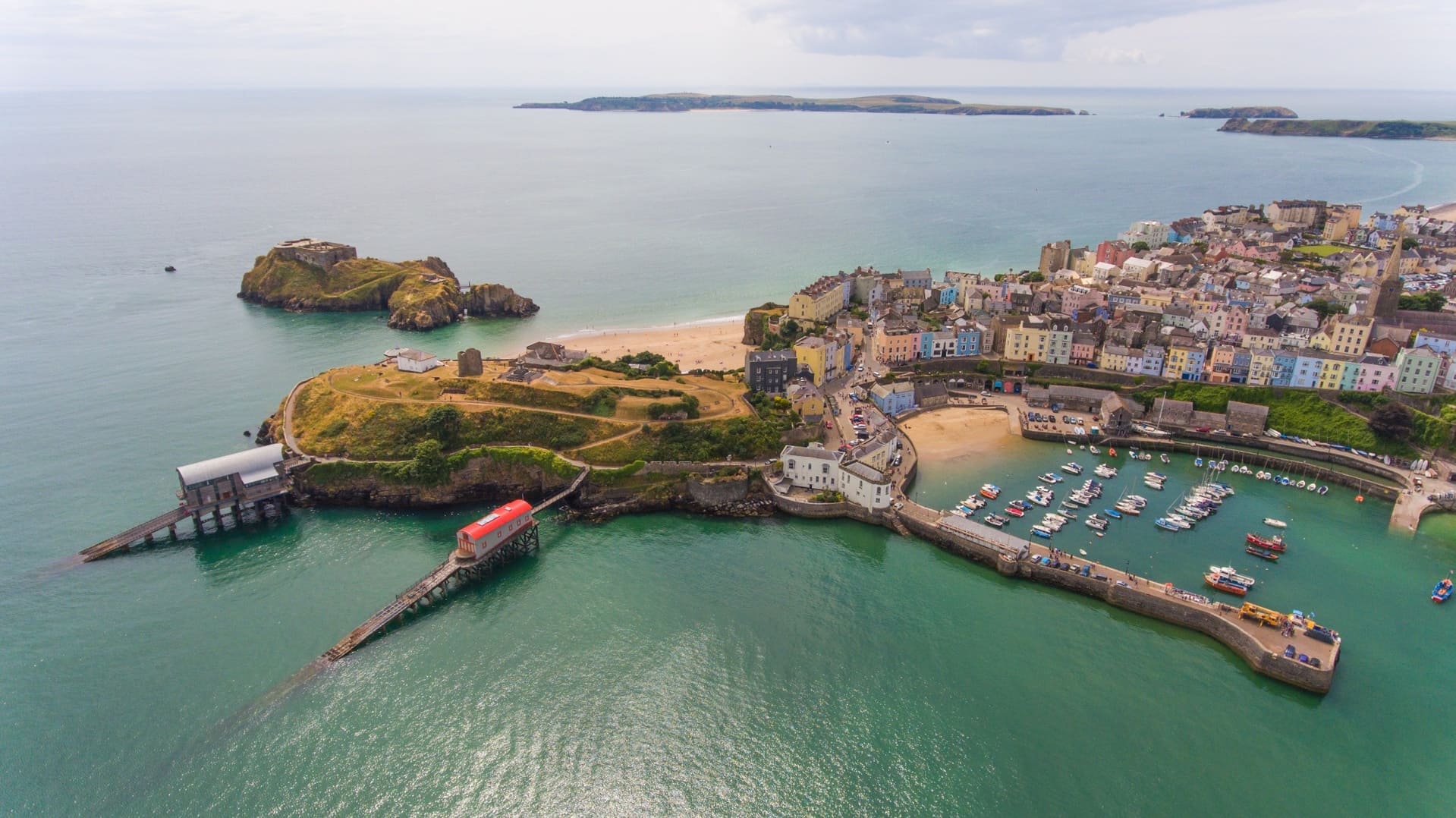
The country has near-mythic beauty, with steep hills and valleys, which you can experience firsthand by travelling from the mountains of the Eryri (Snowdonia) National Park range to the packed-sand beach at the colourful seaside town of Tenby, where author Beatrix Potter created Peter Rabbit.
Here, you’ll drive along narrow roads past hillside farms that look like they’ve been standing for more than a century and admire the skill of the dry stonewall builders who divided farmland into patchworks for countless sheep.
Wales also has the highest concentration of castles per square kilometre in Europe: more than 400 in all. No wonder the legend of King Arthur was born here.
I experienced my first hwyl at the five-star Relais & Chateaux property, Palé Hall, a 19th-century country house near the market village of Bala. Prime Minister Winston Churchill was a guest in the 1950s, and I had the key to the second-floor Churchill tower suite, complete with a stained-glass vaulted ceiling, a glass coffee table with a gleaming Spitfire engine base, and a refurbished Second World War ejector seat next to the oak desk.
Unlike me, maybe Churchill didn’t soak in the suite’s massive copper-zinc tub. But Queen Victoria did splash in the same bath that’s in her namesake suite at Palé Hall. She stayed at the great house for 10 days in 1889. The original cast-iron hearth where the queen’s breakfast was prepared is now a showpiece in the Henry Robertson Dining Room, where executive chef Edward March creates four- and six-course seasonal tasting menus.
More hwyl came when I met the four-legged celebrity residents of Palé Hall. Unlike typically skittish sheep, the small flock of champion Valais Blacknoses are curious and as affectionate as puppies, with trailing eiderdown-soft fleece, black knees and spiral Yoda-like horns. Head ram Karter and his buddies Kokonut, Kaffir, Ingrid, Larry and Junior are there for one reason: for the guests to visit and pet.
Concierge Gareth Jones says Canadian actor Ryan Reynolds, co-owner of Wrexham AFC, has an open invitation.
Castles & More Castles
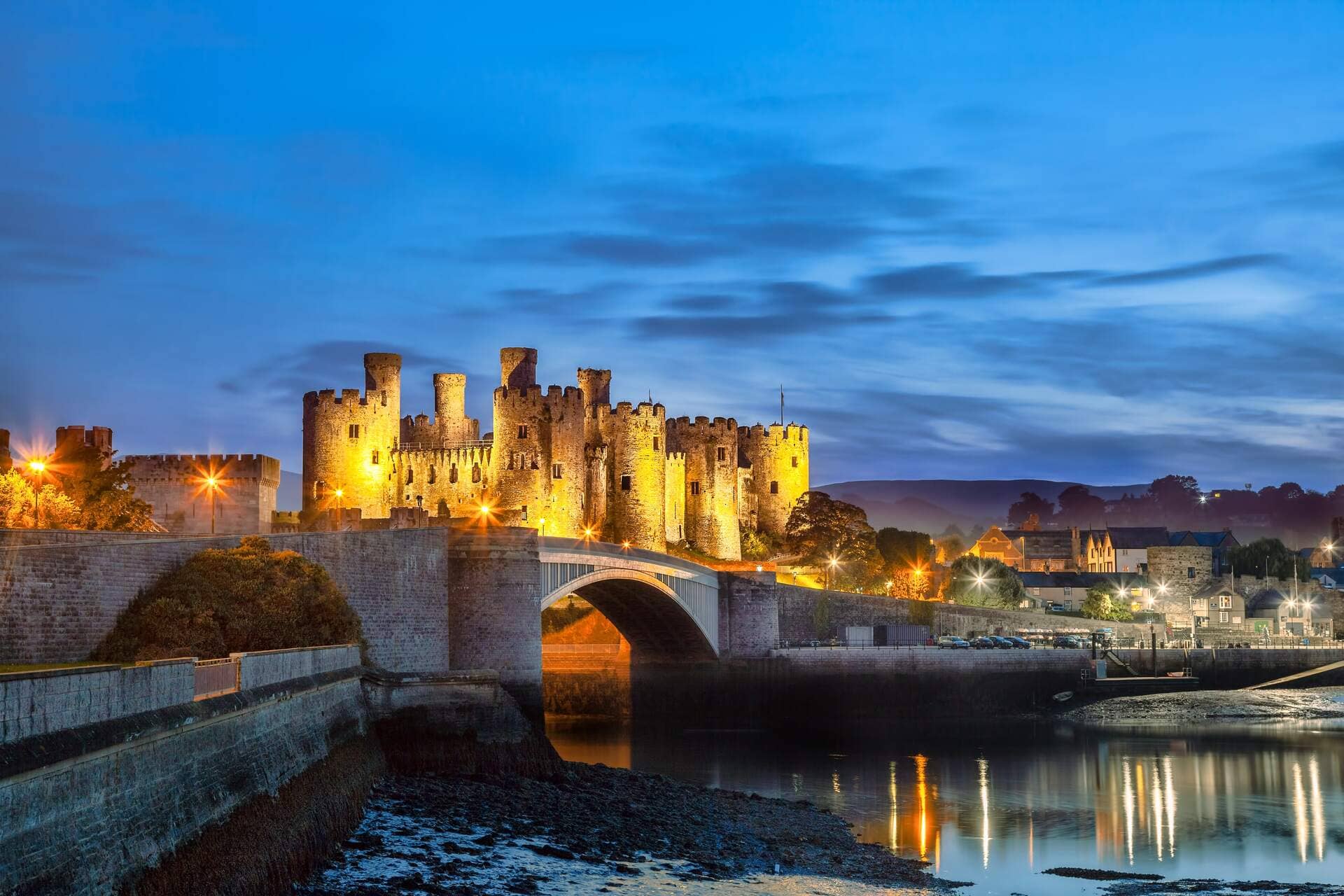
Edward I of England, hardly popular with the Welsh for his 13th-century conquest, built impressive castles to seal his occupation. You can spend an afternoon exploring the ramparts and towers of Caernarfon Castle, or the medieval walled town of Conwy and its castle. Both are UNESCO World Heritage Sites.
With more than 400 castles, get a taste of the good life with a visit or even a stay. These vast estates reflect the immense wealth of the British nobility and families who amassed fortunes in Wales with coal, slate, tin and lead mining, as well as railways and shipping.
The elegant properties are also known for lavish gardens and culinary excellence.
I also enjoyed stays in estate cottages, including the 17th-century Bodysgallen Hall. Owned by the National Trust, it’s situated on 200 acres of parkland. The Grove of Narberth is a Small Luxury Hotels of the World country house that focuses on Welsh heritage. I stayed in a romantic cottage loft suite, cwtch beneath a beamed oak ceiling.
Portmeirion: the Fantasy Village
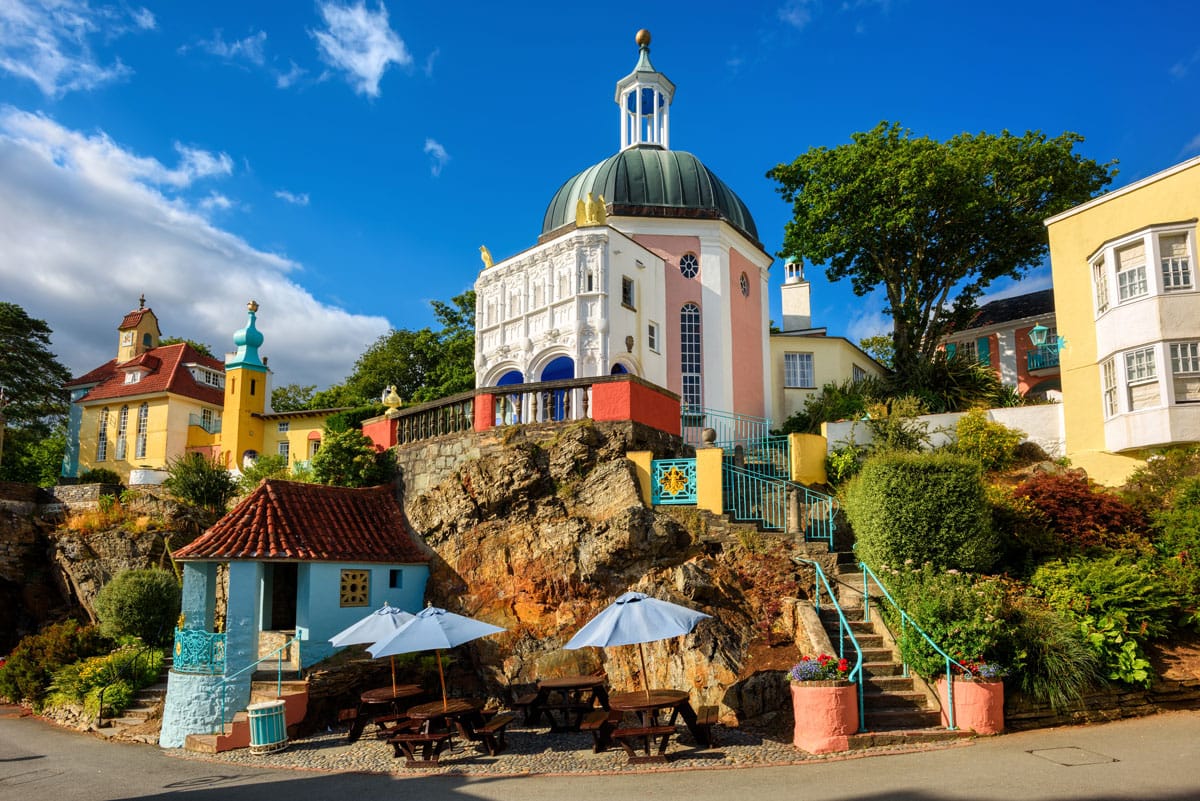
Portmeirion is a pastel-painted fantasy village in North Wales that seems to have popped out of an Italian fairytale book. Architect Sir Clough William-Ellis’s passion project is a hwyl hotspot made to delight.
Built over 50 years starting in 1925, the village was the setting for the futuristic 1960s TV show “The Prisoner,” starring Patrick McGoohan. You can pick up some show memorabilia in a shop located in McGoohan’s Number Six character’s cottage.
Stay in the village in one of 32 suites or 13 guest cottages, or the Portmeirion Hotel on the Dwyryd Estuary. I was a 10-minute walk from the village, down a wooded country lane, at the neo-Gothic Castell Deudraeth Hotel. It’s also part of the village complex. If you turn to channel 801 in any room, “The Prisoner” is on 24/7.
Village guests can wander around Portmeirion after it closes to the public at 5 p.m. daily.
By the Book
Wales has dozens of charming market towns and medieval villages to explore. Book lovers won’t want to miss Hay-on-Wye, home to the annual Hay Festival of Literature & Arts. The town is a print-lover’s dream, with more than two dozen independent bookstores along its narrow streets.
Cardiff
The Welsh capital is a city best explored on foot, to best experience the seven elegant Victorian and Edwardian shopping arcades, and Cardiff Market, a heritage Victorian glass-roof building.
The city is making a name as a culinary hub. Thomas by Tom Simmons serves knockout cuisine by the visionary Welsh chef.
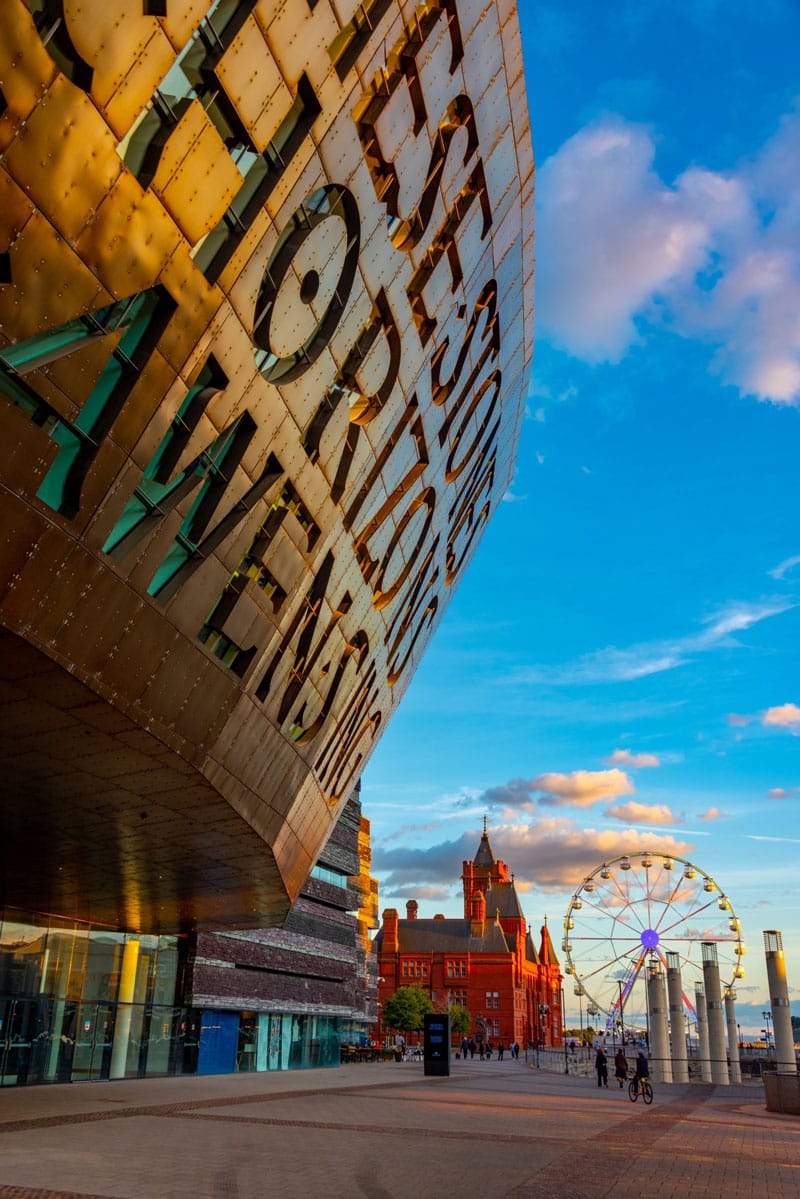
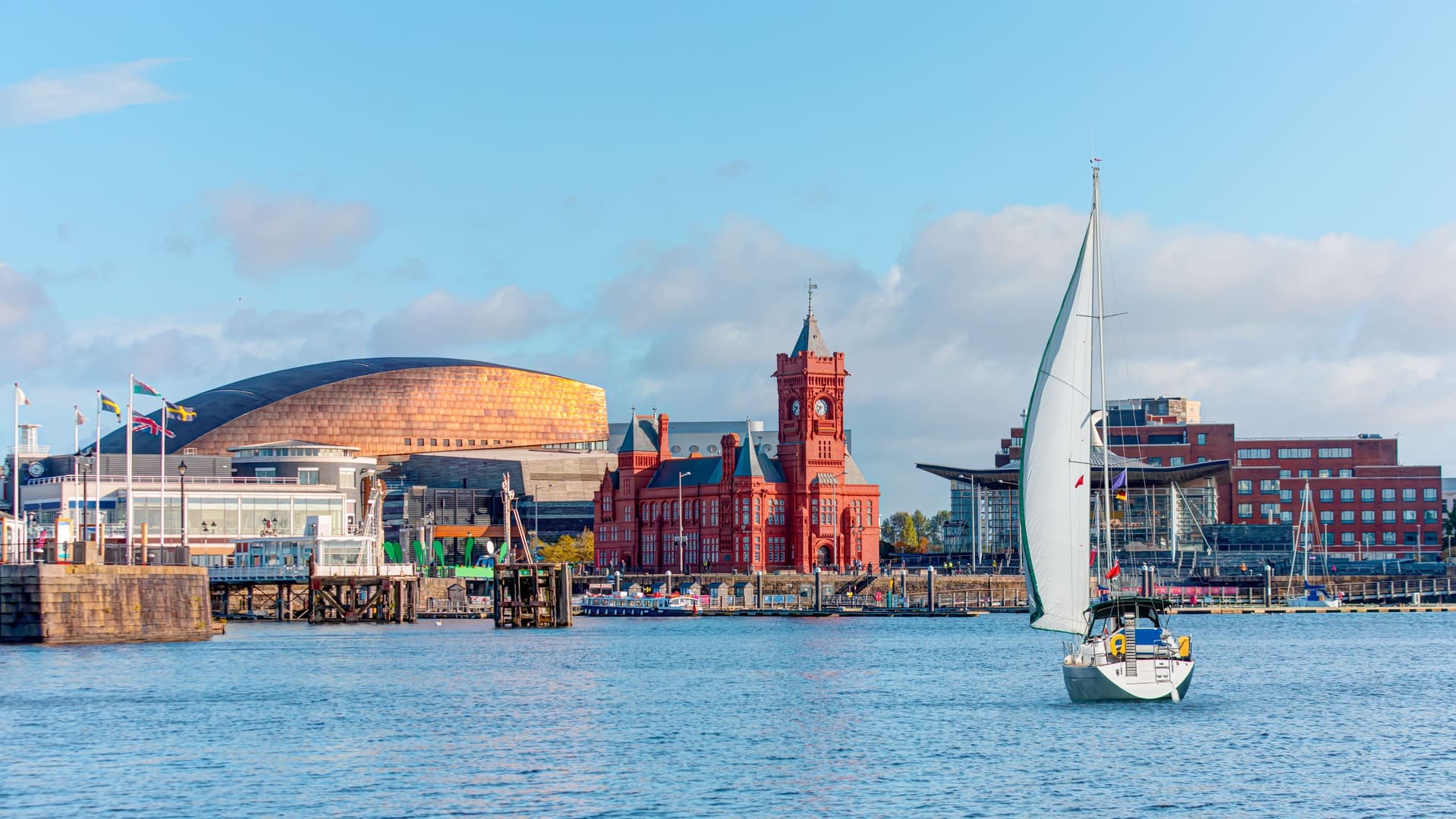
Hop on the Aquabus to The Bay, a tidal dockland where Welsh coal once started its international journey. It’s now home to the Wales Millennium Centre and the Welsh Parliament (Senedd). The modern, undulating roof uses thin slats of Canadian Western red cedar.
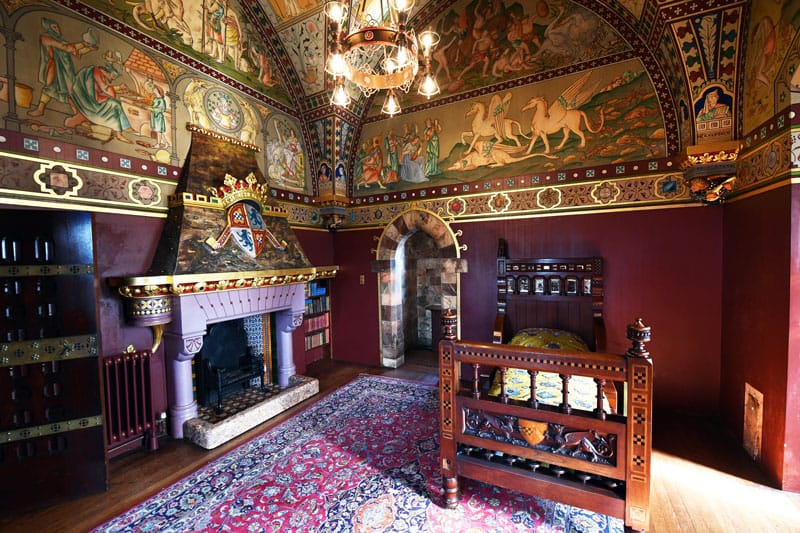
See rock star-level excess at medieval Cardiff Castle in the city centre, where the third Marquess of Bute – the richest baby in the British Empire at his birth – collaborated with “art-architect” William Burges on neo-Gothic fantasy rooms for his ultimate bachelor pad.
The Clock Tower and Summer Smoking Room are fantastically elaborate, richly painted and filled with mythical figures, frescoes and symbols relating to time, astrology and love. Book a private tour to see areas that are not open to the public on self-guided visits, and get another helping of hwyl in this remarkable Welsh place.
I was a guest of Visit Wales, which did not preview this story.
As Featured In: