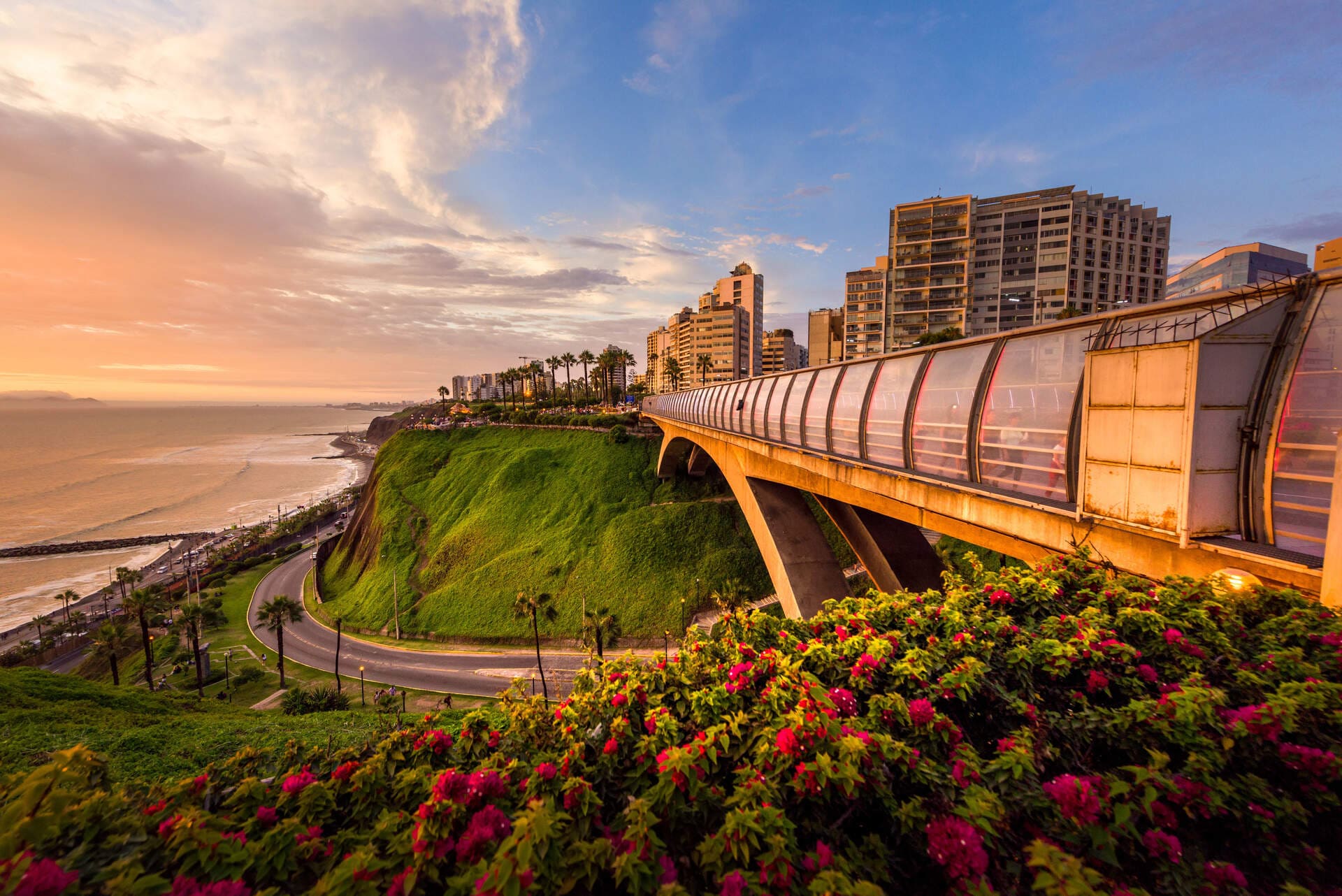
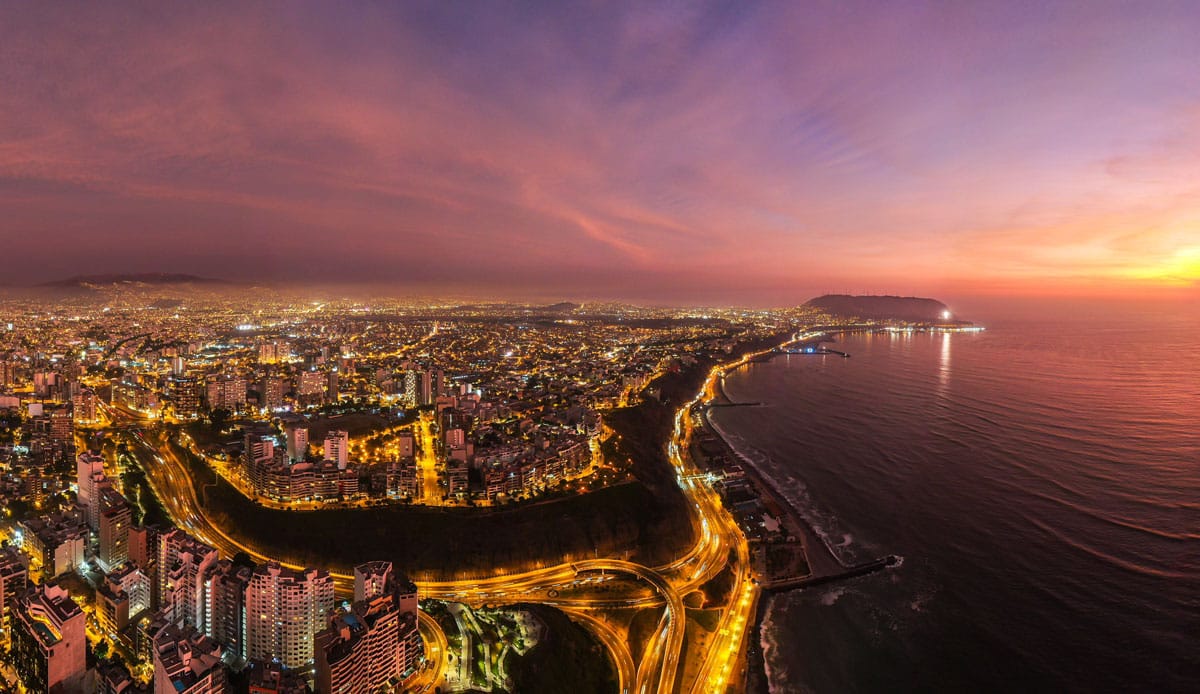
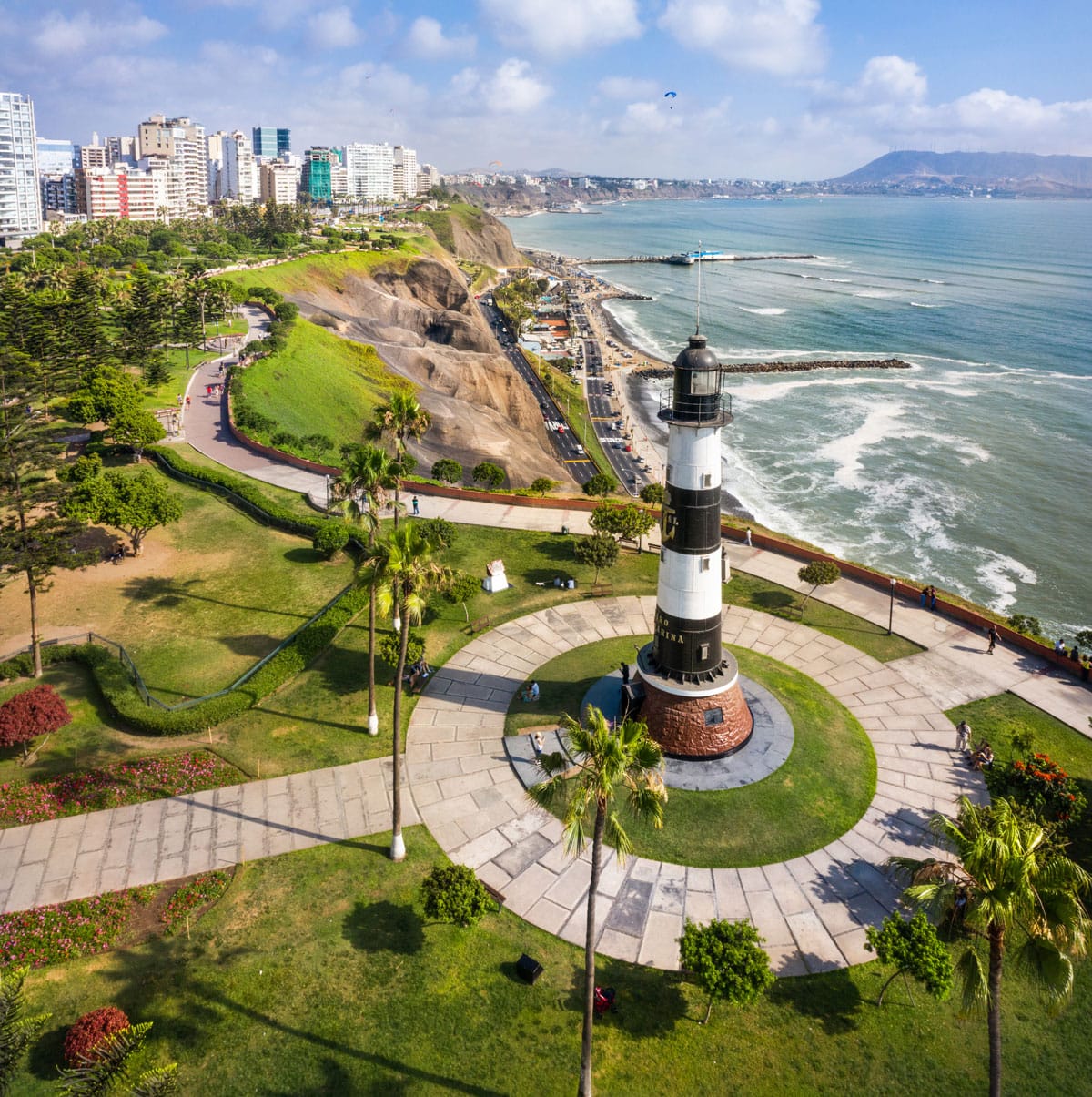
On a sunny winter morning in Lima, Peru, start the day like a local with a promenade along the ocean-facing Malecón de Miraflores.
The wide ocean-facing clifftop boardwalk is a magnificent seaside stroll and was steps from my hotel in the capital’s upscale Miraflores neighbourhood. I covered a small slice of the curving, 10-km route before the urge for a cup of Peruvian-grown coffee made me detour two blocks to Puku Puku Café, which made the top 20 in The World’s 100 Best Coffee Shops 2025.
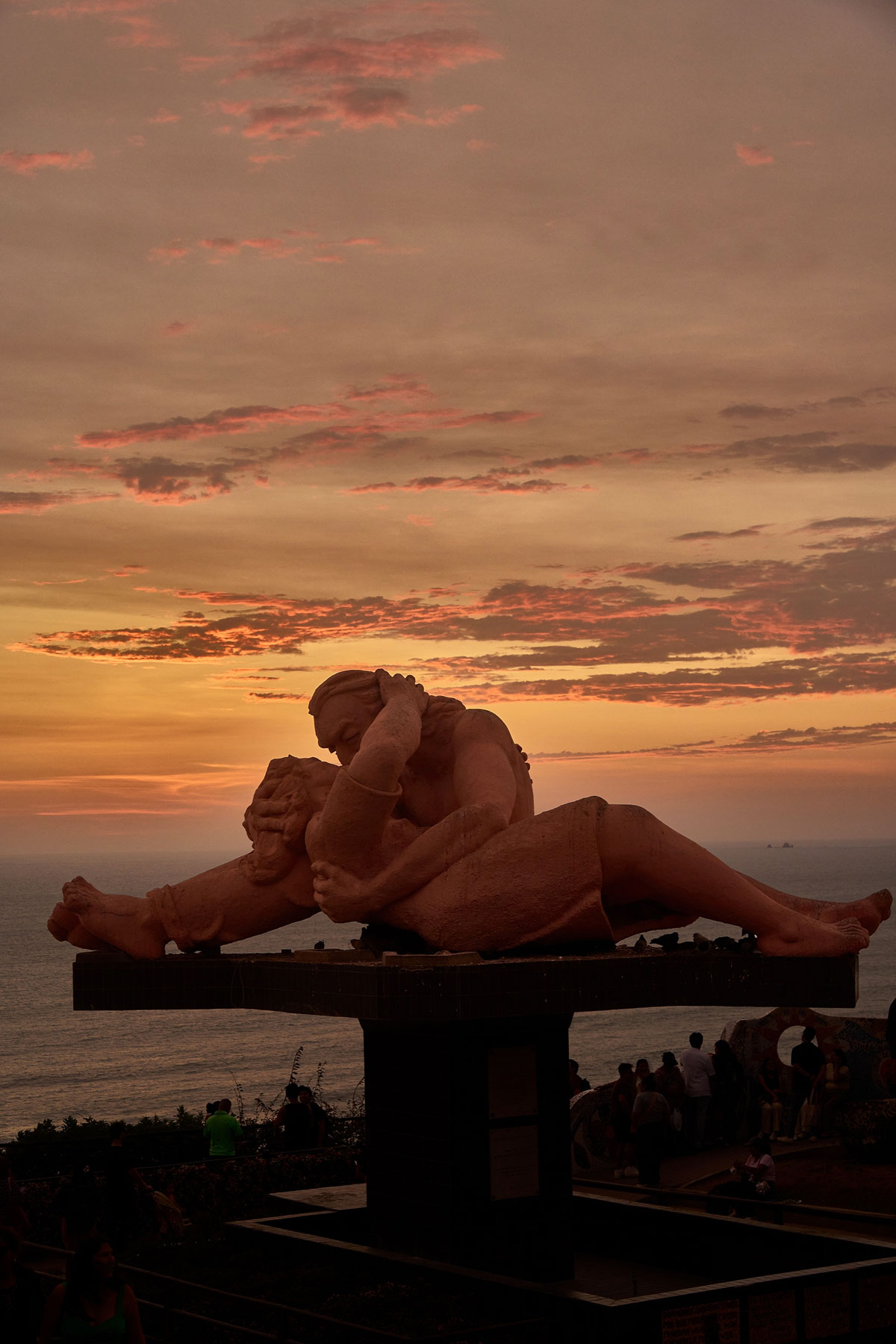
With a cortado to go, I circled back to enjoy the malecón’s greenery, gardens and palm trees. Paragliders are as common as birds here, catching the thermals above the coast-hugging Costa Verde highway and Parque del Amor, the city’s famous Love Park. Couples and groups meet in the park each evening to watch the sun set over the Pacific, while the embracing lovers of Víctor Delfín’s self-portrait landmark sculpture El Beso (The Kiss) only have eyes for each other.
Many travellers see Lima as a landing point on the way to Machu Picchu or the Amazon, but the city is worth more than a quick stop.
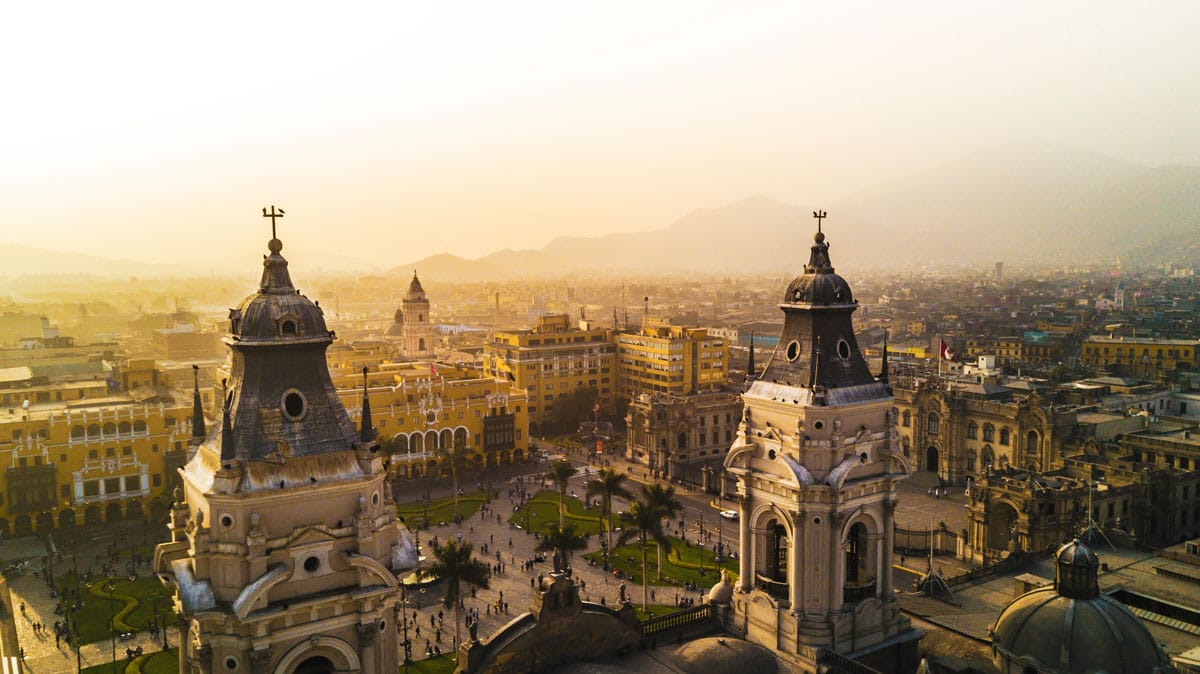
Direct flights from Toronto get to Lima in eight hours, roughly the same time as it takes to fly to Paris. The seasons are reversed here in the Southern Hemisphere and the rain-free winter weather is ideal. You won’t need an umbrella in this in arty and historic city of more than 11.5 million people, but you may want to pack some stretchy pants. Peru’s capital earns its accolades as the country’s capital of gastronomy.
Whether dining at Maido, recently crowned the best restaurant in the world, or from a vendor at a market stall, I can’t recall the last time I consistently ate so well as I did in Lima.
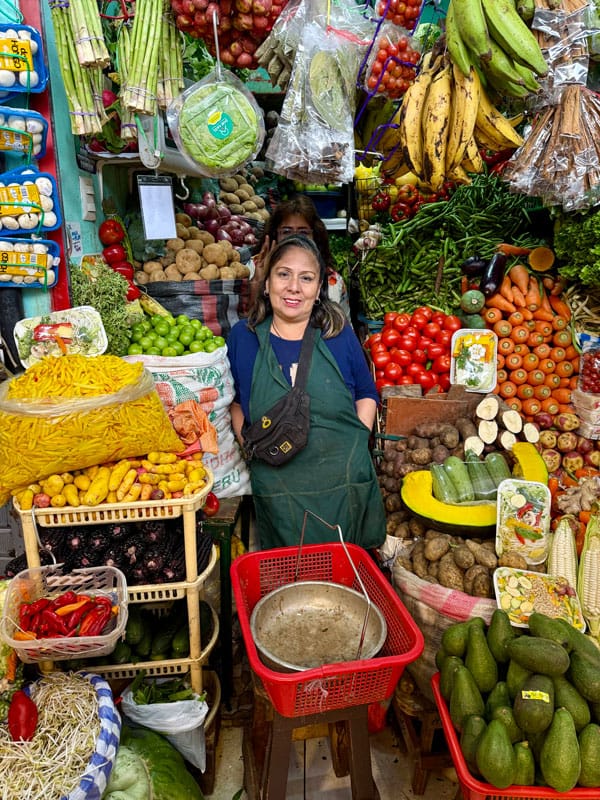
Using ingredients from the ocean to the Andes and rainforest, Peruvian recipes come from Indigenous peoples as well as those who arrived from Spain, China, Japan and Africa. In this hotbed of fusion cuisine, chefs have bountiful inspiration. More than 4,000 potatoes and tubers in a variety of colours and sizes grow in Peru. There are 160 kinds of fruit, 450 varieties of chilis and more than 50 colourful types of corn. Coffee and cacao thrive in the country, inspiring the many artisanal roasters and makers in Lima.
In one memorable day I ate at two restaurants helmed by celebrated Lima-born chef Mitsuharu “Micha” Tsumura. The first, Maido, recently took top spot on the World’s 50 Best Restaurants for Tsumura’s approach to Nikkei cuisine, a blend of Japanese culinary styles and Peruvian ingredients.
The 12-course Maido Experience menu included Chilean seabass with citrusy Amazonian cocona fruit and rich veal cheeks served with a sauce made from nutty macambo beans and pleasantly sour tucupi (fermented casava root).
Several hours later, I shared a plate of crispy-skinned pollo a la brasa rotisserie chicken at Tsumura’s Tori Polleria restaurant. While ceviche — raw fish marinated in chili-spiked lime and served with giant corn kernels and onions — is often named Peru’s national dish, Tsumura thinks pollo a la brasa should have the honours.
Take a Food Tour
Dive into Peru’s bounty with a morning tour of busy local food market Mercado de Surquillo 2 with Haku Tours. Guide César Contreras and chef Marco Viena showed us the huge diversity of Peru’s natural larder.
Contreras introduced us to vendors and sliced exotic and unfamiliar fruit to sample. “That’s the idea, to make you feel like a local, to be in contact with the people here,” he said.
Later, we slurped a restorative bowl of steaming ginger-spiked chilcano fish soup, said to be a sure hangover cure.
“Guys, imagine eating this way every day,” Contreras said. “You’re eating healthy, fresh, tasty and cheap. What more do you need?”
How about learning how to make some of Peru’s signature dishes?
We learned a variety of recipes in a cooking class in Haku Tours’ kitchen studios. By the end we were expert ceviche makers.
Meal with a View on History
The Huaca Pucllana historic site in Miraflores was closed the day we visited, but we had the next best thing with a table overlooking the ruins from the covered terrace at Restaurant Huaca Pucllana. We were within a few feet of the fifth-century adobe and clay pyramid complex and enjoyed an excellent lunch of succulent paiche Amazon river fish topped with grilled hearts of palm.
Beautiful Boho Barranco
The leafy Barranco neighbourhood is next door to Miraflores. It’s known for quiet streets lined with Belle Époque mansions, many of which have been reborn as chic hotels and restaurants. It was my favourite part of Lima, with boutiques, galleries, murals and chic cafés. At the romantic wooden Bridge of Sighs pedestrian overpass, teen girls in frothy ballgowns posed for quinceañera portraits to mark their 15th birthday.
Pisco Sour: The National Cocktail
You don’t have to be a guest at Relais & Châteaux property Hotel B in Barranco to learn the secrets of making Peru’s national cocktail. We were taught how to make the frothy-tangy pisco sour at a class in the former 19th-century mansion. The secret is in dry shaking the egg whites first.
Coffee & Chocolate
Peru is known for coffee and cacao, the key ingredient in chocolate. Get the best of both with a tasting class at Ciclos Café and El Cacaotal, a husband-and-wife-owned boutique coffee roastery and chocolate shop in Barranco.
Shopping
Stop at Mundo Alpaca in Miraflores to pick up a wearable souvenir. Learn about traditional weaving and how the wool is shorn from domesticated alpaca and wild vicuña, dyed and turned into soft sweaters, scarves and wraps.
Here, Kitty
Kennedy Park is a 15-minute walk from the malecón, where a sizable resident colony of homeless cats are treated like visiting royalty. They lounge in flower beds and nap in artful cat shelters, with plenty to eat and drink when they wake. People can even adopt one of the pampered felines.
Where to Stay in Lima
AC Marriot Miraflores has large rooms and faces the picturesque Miraflores Malecón. It has complimentary bike rentals.
Getting There
There are seasonal direct flights from Toronto and Montreal to Lima on Air Transat and Air Canada.
Linda Barnard was hosted by PROMPERU. For more information, visit promperucanada.com
As Featured In: