You may not have heard of Bacalar. But once you’ve seen the natural spectacle of the Lagoon of Seven Colors, you won’t be able to forget it. This small Yucatán Peninsula city near the Belize border is a few hours south and inland from popular Mexican Caribbean vacation spots like Cancún and Tulum.
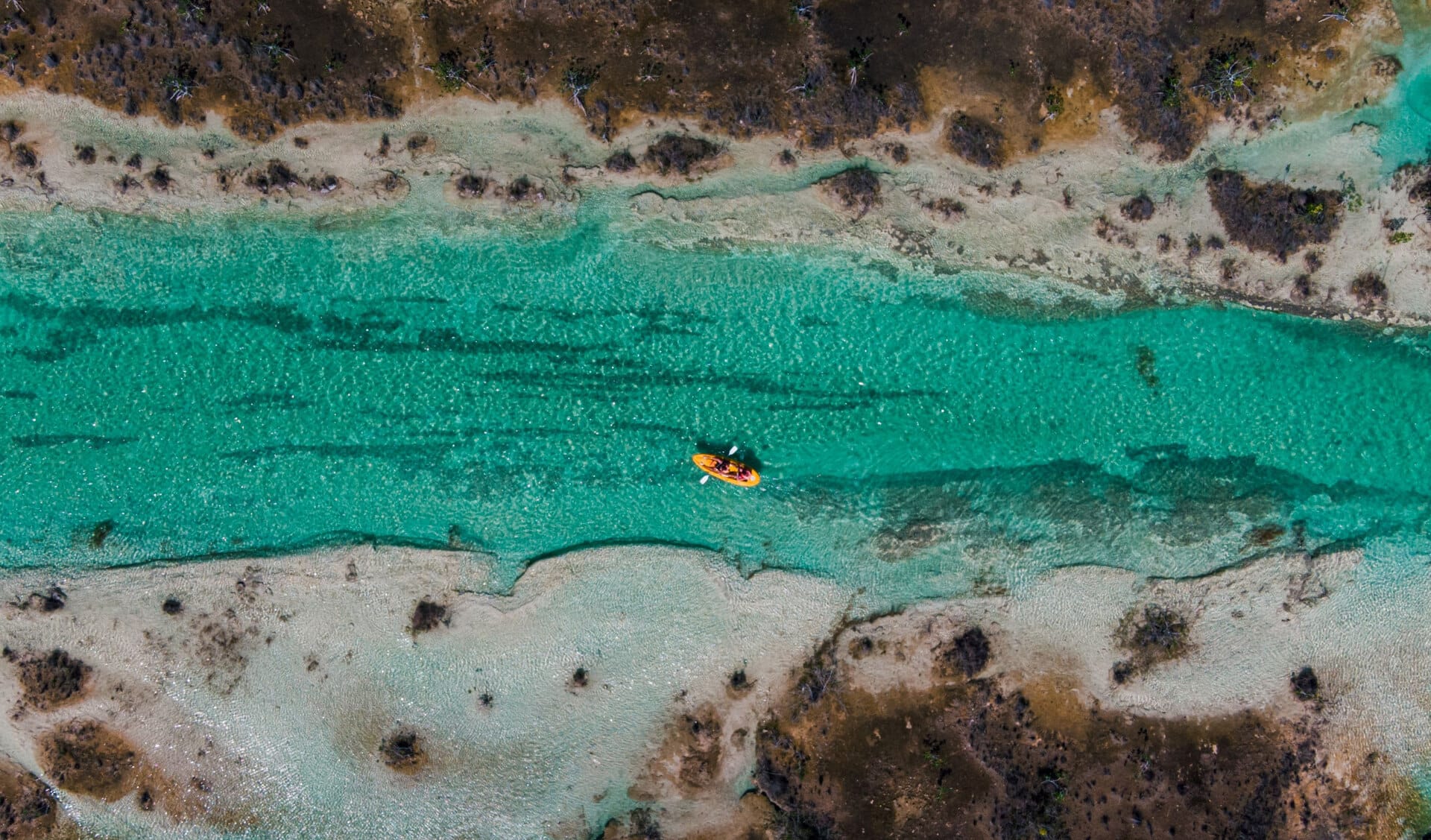
The city’s peaceful energy and blissful location on Bacalar Lagoon set it apart. The narrow, 60 km-long freshwater lagoon has a white limestone bottom that reflects the sun with a sparkling range of hues, from crystalline aquamarine to velvety navy.
You won’t be hitting the beach in Bacalar, but there’s no shortage of experiences in and on the water. The lagoon is ideal for kayaking, swimming, paddleboarding or dozing in an over-water hammock.
Bacalar brings back memories of when I first visited Playa del Carmen in the 1990s, when it was closer to a fishing village than a tourist hotspot. Bacalar has the same Bohemian vibe, with small shops and boutiques, colourful murals and good restaurants. Relax on a lagoon-facing patio or terrace, with fresh Pacific shrimp tacos or ceviche and a cold beer.
There are no big hotels or massive nightclubs. The focus is on relaxation, the lagoon and wellness. Beach clubs entice with hammocks and swimming docks. I loved the evening energy in the town square, where families gathered around food trucks selling crispy foot-long stuffed crêpes called Marquesitas.
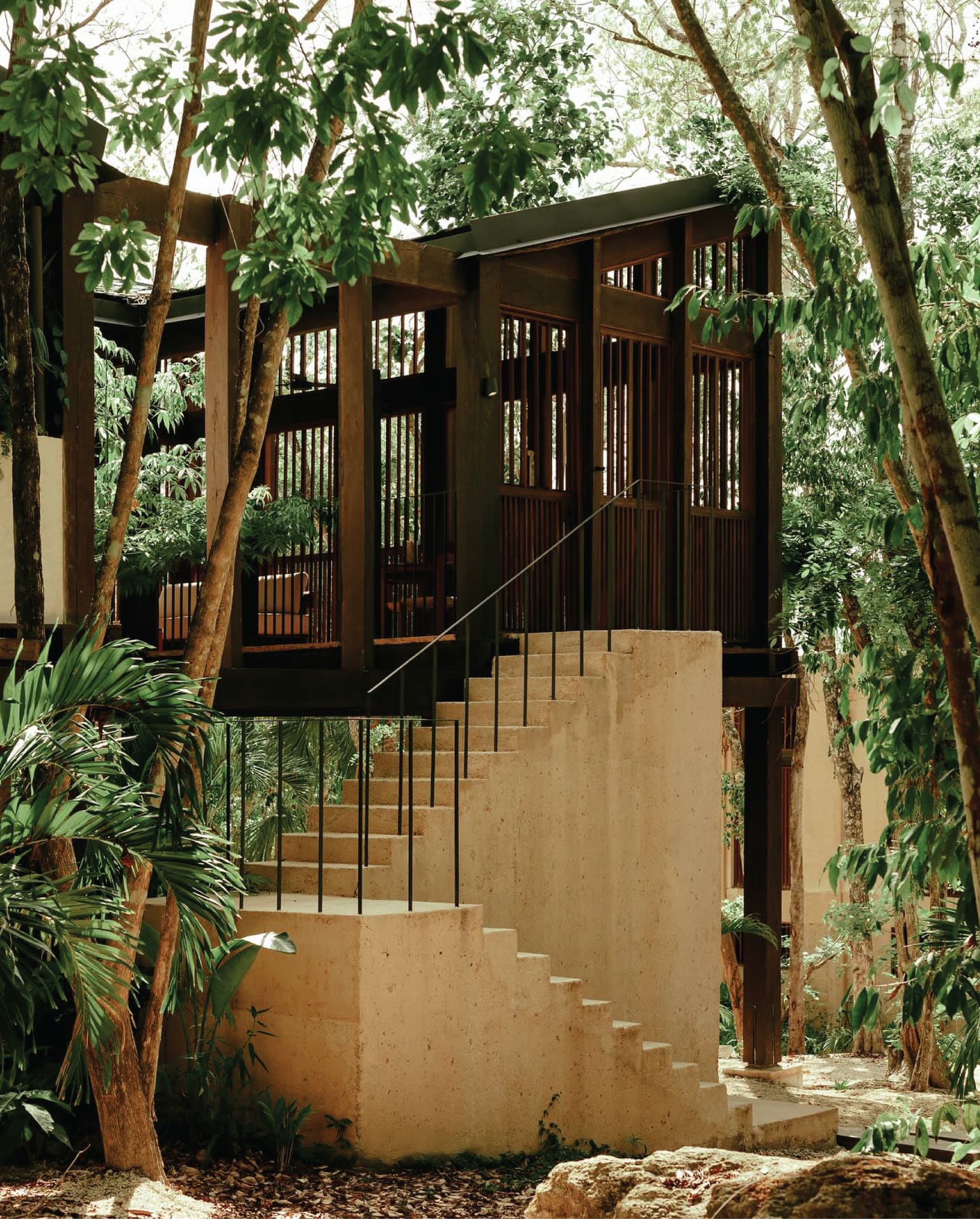
I had my best sleep in a long time in a Modernist treehouse-style villa in the jungle at luxury eco-resort Boca de Agua. The villas are raised into the trees on steel pillars that protect the forest, accessible by two short flights of concrete steps.
The Michelin Key hotel, designed by celebrated Mexican architect Frida Escobedo, has won awards for both style and sustainability.
During the day, I relaxed in a hammock over a shallow pool, watching nimble spider monkeys chase each other in the treetops. In the evening, interior lamps made the vertical wooden slats of the 22 treehouses and Flora Restaurant glow like contemporary sculptures.
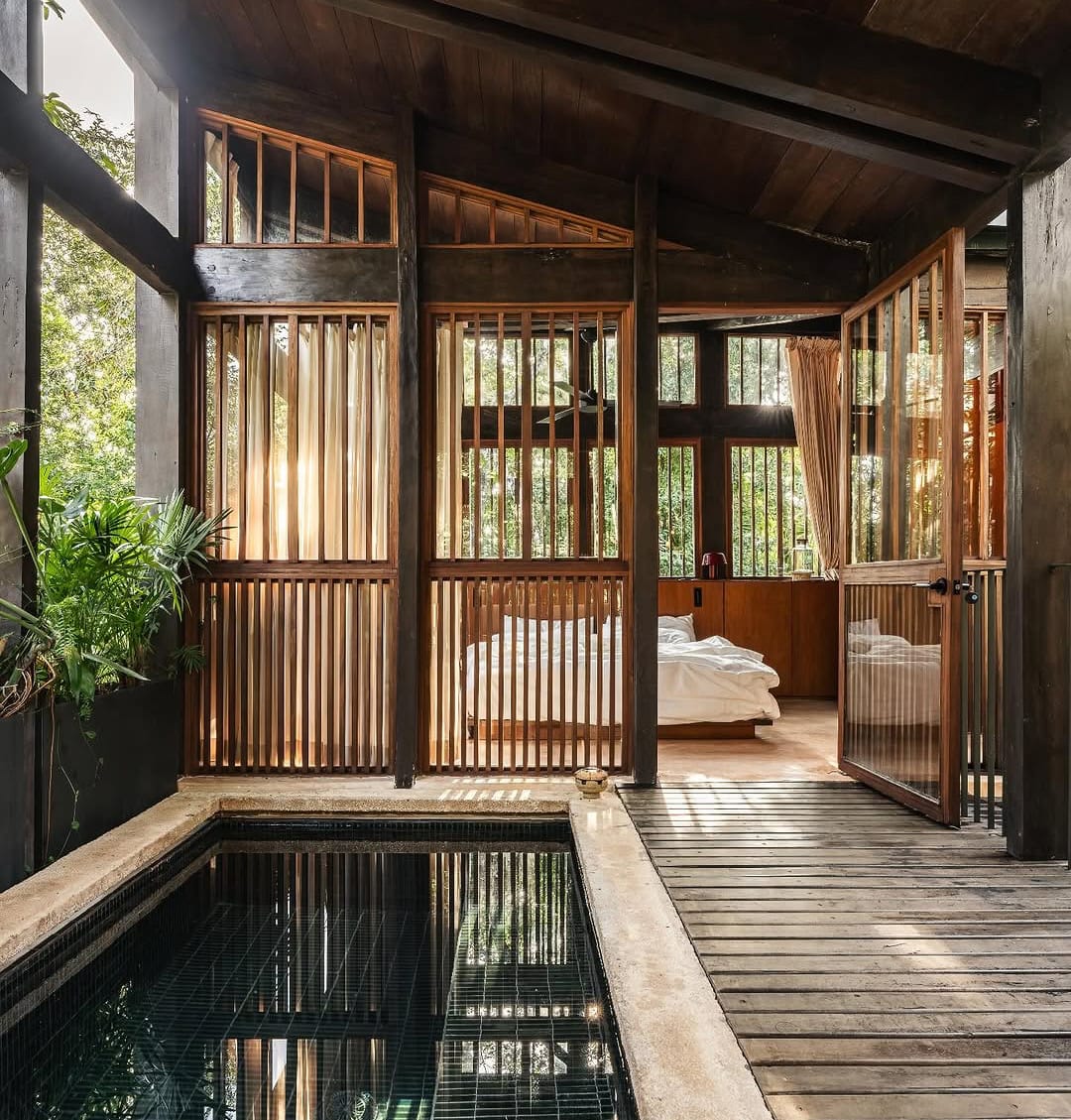
The wooden slat walls of my bedroom “pod” were encased in glass to allow for air conditioning. A tiled outdoor shower had a tropical plant privacy screen and Mexicomade Laguna Cyprien bath products.
The Focus is on Relaxation, The Lagoon and Wellness…
A second room, linked by a short walkway, had a plunge pool, seating area and hammock. There was room for a massage therapist to set up her table for a relaxing treatment. Each evening, a woman arrived with a bucket of glowing coals and a basket of tree resin, called copal. She placed both in an earthenware burner beside the pool. Fragrant smoke billowed to purify the space.
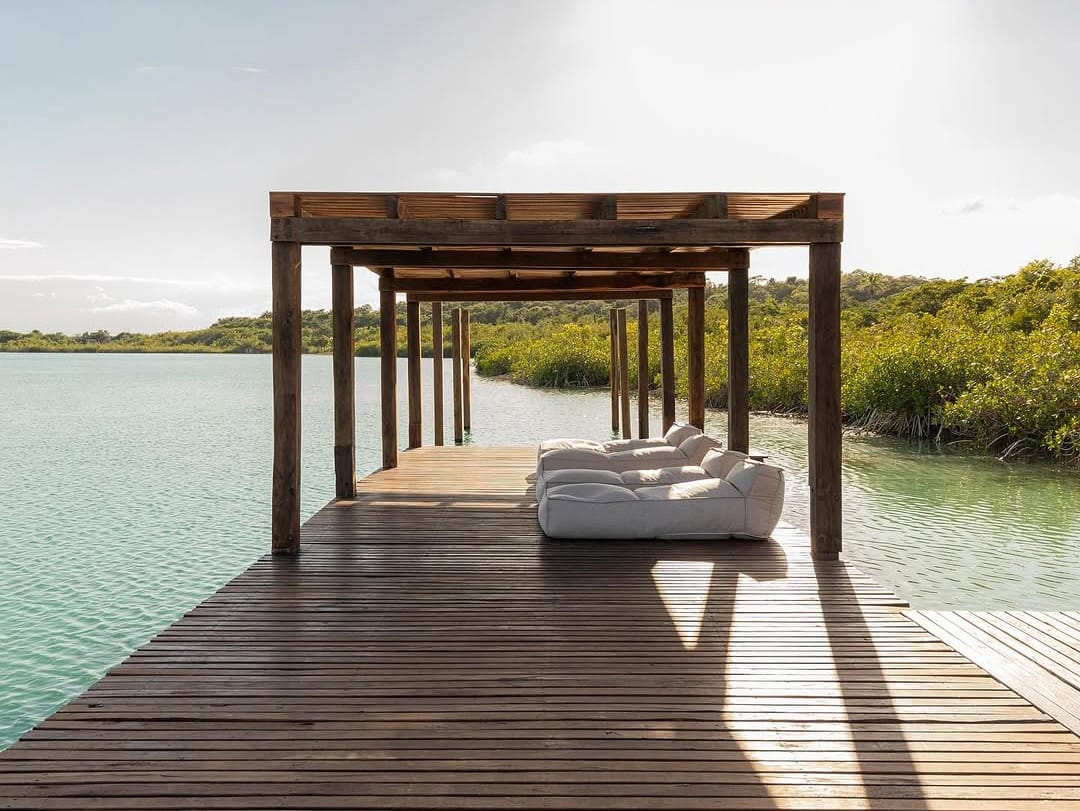
I woke to the sound of birds, and followed the elevated boardwalk through the trees to the resort’s horizontal dock, for sunrise over the lagoon. It was also a great place to swim.
Flora sous-chef Sergio Sanchez specializes in Yucatecan cuisine. Breakfast included house-made tortillas, juicy papaya and pastries. At dinner, there was excellent ceviche and sea bass, cooked two ways, with pickled red onion atop luscious roasted plantain butter sauce.
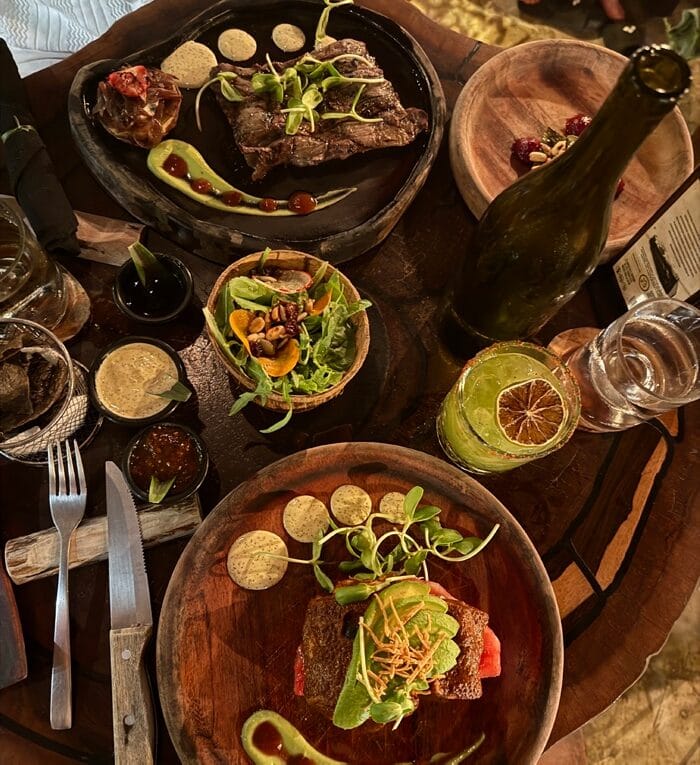
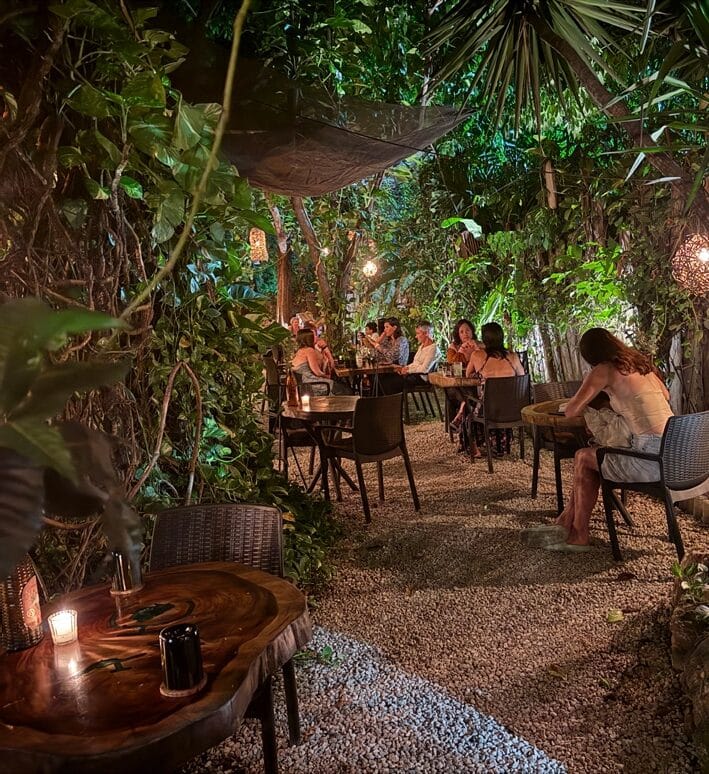
My meal at Nixtamal in central Bacalar was a highlight. Chef-owner Rodrigo Ovidio specializes in dishes using open fire, coals or ash in a dining room that feels like it’s in a jungle clearing.
Lagoon boat tours depart from the historic town centre and include stops at a bird sanctuary and four deepwater cenote sinkholes along the lagoon edges. Some boats go to a shallow channel that pirates once used as a hidden escape route to the coast with their plunder. It’s popular with swimmers, kayakers and waders.
The lagoon is also a nursery for stromatolites, the oldest life forms on earth. These living rock-like formations produced the oxygen that made the planet habitable more than three billion years ago.
They still thrive in the reedy waters at the edge of the lagoon. Shallow areas where they’re in danger from being touched by swimmers or hit by boats are marked off with ropes. Each Wednesday, the lagoon is closed to boat tours to give it a chance to recover from tourism, and visitors are encouraged to avoid using sunscreen to protect the ecosystem. I wore a longsleeved swim shirt that provided good protection from the hot sun.
Biologist guide Abril Román Larios of tour company Adventure Lab gives visitors an excellent introduction to Bacalar Lagoon on a 2.5-hour boat tour. She’s dedicated to protecting the fragile stromatolites. “They look like rocks doing nothing, but they are amazing things,” she said, calling them “the beginning of our planet.”
Relax with Janzu in-water therapy at Our Habitas Bacalar, an adults-only wellness resort on the lagoon. Practitioner Daniel Acatl guided me through a 45-minute ceremony, said to ease stress, promote relaxation and even ease trauma. I put on nose clips and Acatl cradled me, then swirled me through the water. He held my outstretched hand and ankle, easing me under, up and over and around in a dance that left me occasionally disoriented. The only sounds were the swish of water and my breathing.
Turquoise water and blue sky merged on a cloudless afternoon. Acatl gently turned me to face the opposite shore of the aquamarine lagoon. “Open your eyes,” he said. “See the beauty around you. See the beauty inside you.”
When You Go:
Getting There: WestJet and Air Canada have direct flights from Toronto to Cancún Tulum International Airport. I flew to Cancún and travelled to Bacalar in about four hours on the new Tren Maya, a clean and comfortable train that travels around the Yucatán Peninsula.
Where to Stay: Spend the night in Cancún at luxury beachfront Waldorf Astoria Riviera Maya before catching the morning train to Bacalar. The 173 oceanfront rooms and suites have balconies and private plunge pools with elevated dining at Malpeque restaurant.
I was a guest of the Mexican Caribbean Tourism Board, which did not preview this story.
As Featured In: